Balance sheet data for Indian companies: fields, formats and red flags
What a usable balance sheet API should return, how to compare consolidated and standalone statements, and the checks that reveal accounting risk.
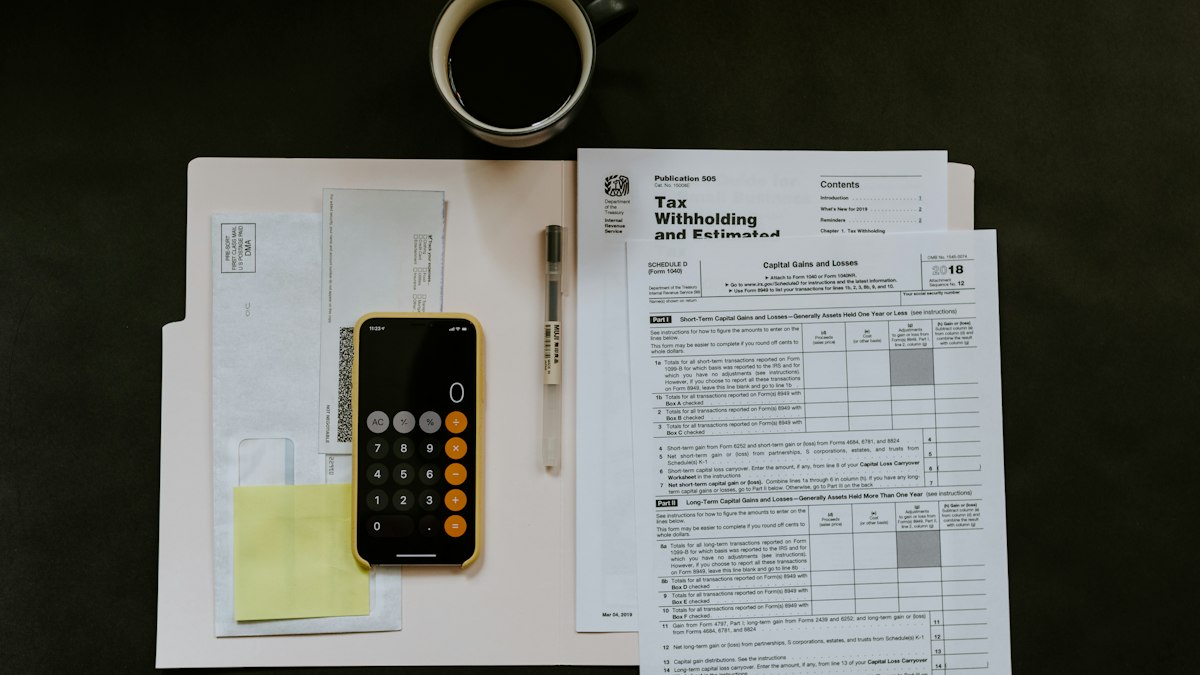
The balance sheet is where a company records what it owns, what it owes and what is left for shareholders. It is also where inconsistent formats and missing periods make an API painful. A good response preserves the structure of the filing without forcing every company into a misleading template.
Know which statement you are reading
Indian companies often report consolidated and standalone financials. Consolidated includes subsidiaries and joint ventures. Standalone covers the parent entity. They are not interchangeable, and a chart that mixes them is wrong even if the numbers look plausible.
The fields that matter
- Total assets and total liabilities.
- Shareholders' equity.
- Borrowings, including short-term and long-term debt.
- Trade receivables and inventory.
- Trade payables and working-capital balances.
- Cash and cash equivalents.
- Investments and fixed assets.
Check that the period is a real date, the unit is explicit, and a missing value is null rather than silently omitted. Those three details decide whether the response is usable in a model.
Read the balance sheet with cash flow
A growing receivables balance can be normal growth or a sign that customers are not paying. Operating cash flow tells you which explanation is more likely. The same applies to inventory and payables.
Red flags worth a second look
- Debt rising faster than operating profit.
- Receivables growing faster than revenue for several periods.
- A large jump in other financial assets or related-party balances.
- Equity falling while liabilities rise.
- Frequent changes in accounting presentation without a clear note.
Fetch the statement with the company record
Fincrux returns the balance sheet alongside the P&L, cash flow, ratios and shareholding for the same company. Keeping the statements together makes it harder to compare a consolidated revenue figure with a standalone balance sheet by accident.
company = requests.get(
    "https://api.fincrux.org/api/financials/RELIANCE",
    params={"api_key": API_KEY},
    timeout=30,
).json()

balance_sheet = company["data"]["balance_sheet"]
Store the response with its timestamp. A balance sheet is a snapshot of a period, not a live number. The product should say which period it is showing and when the data was last refreshed.